
Veterinary Anaesthesia School for Veterinary Technicians, Nurses and Veterinarians
An internationally recognized, structured clinical training, taught by a network of international experts.
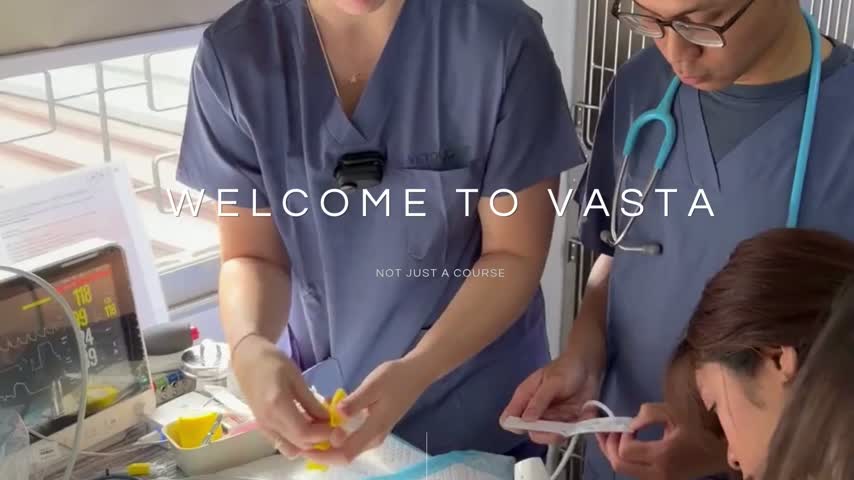
What Makes VASTA Different?
At VASTA, we don't just teach anaesthesia — we live it. Our team of internationally renowned specialists brings decades of clinical experience and a shared passion for advancing the field. And we do this in your region!
You'll learn from the very best, through a program designed to blend academic excellence with practical, real-world relevance. And when you complete the course, you don't just walk away with new knowledge — you earn a diploma that certifies your skills, validates your competence, and stands for something meaningful in the veterinary world.
VASTA is more than education. It's your next professional milestone.
A one-year clinical training programme
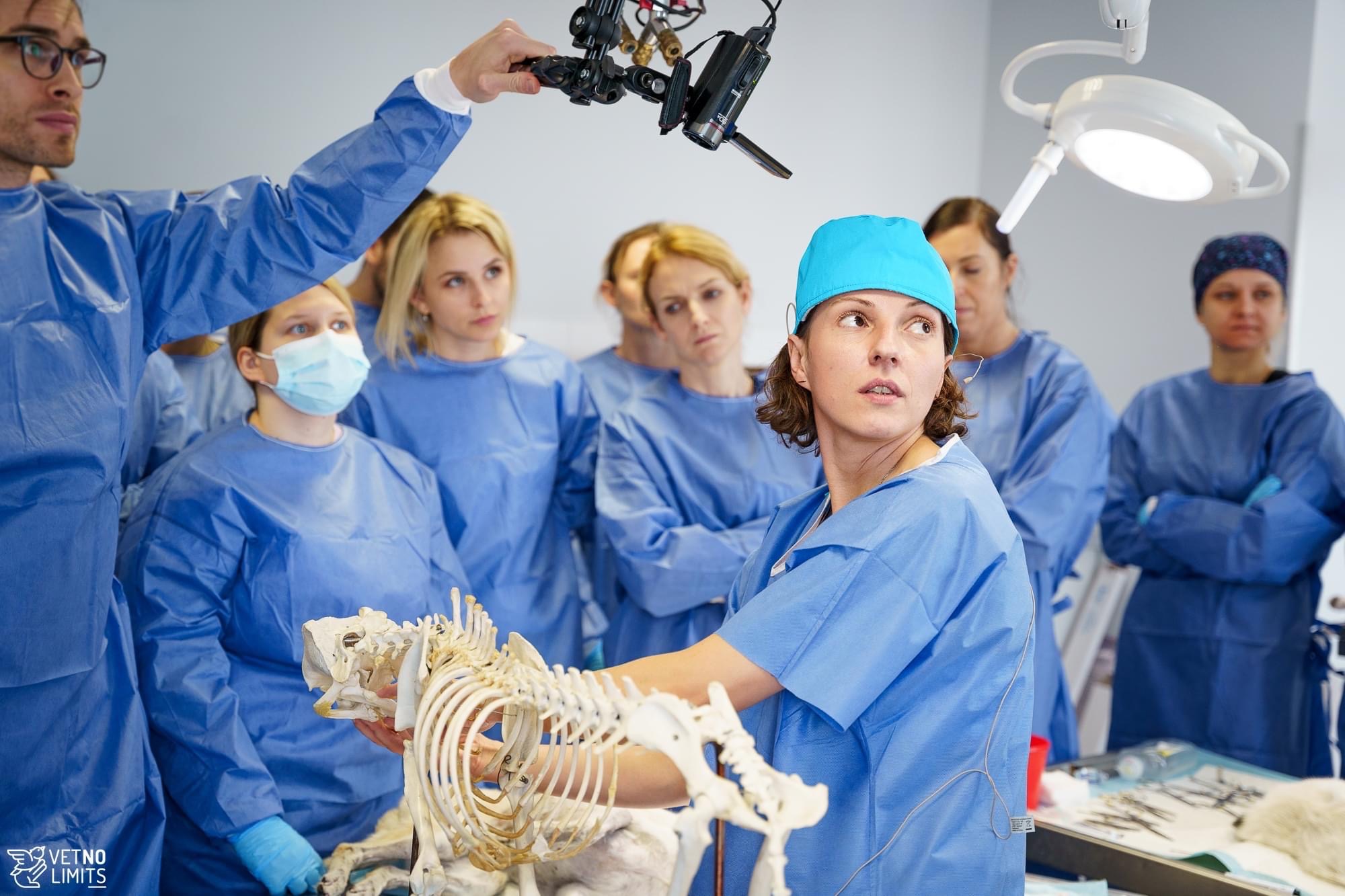
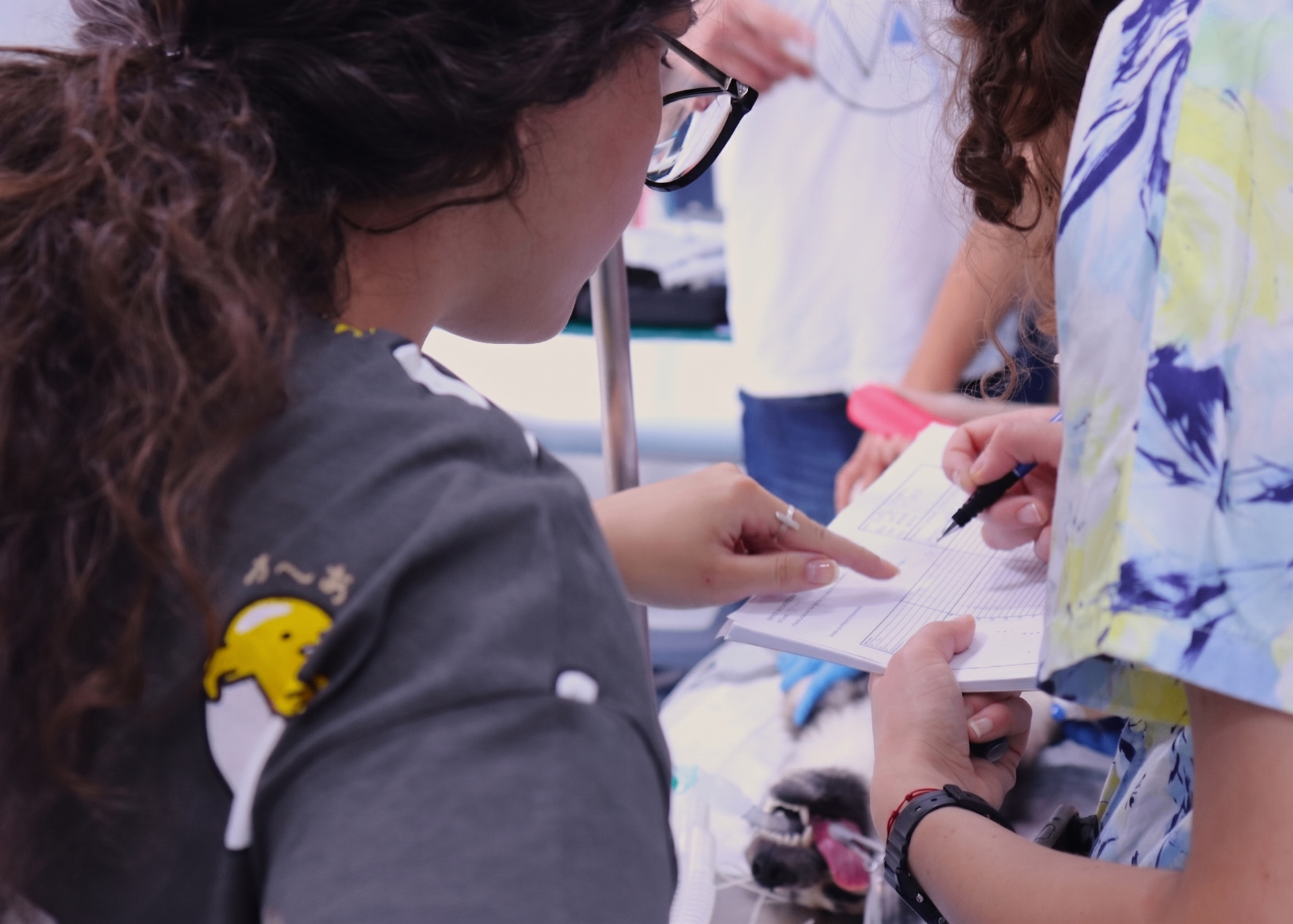
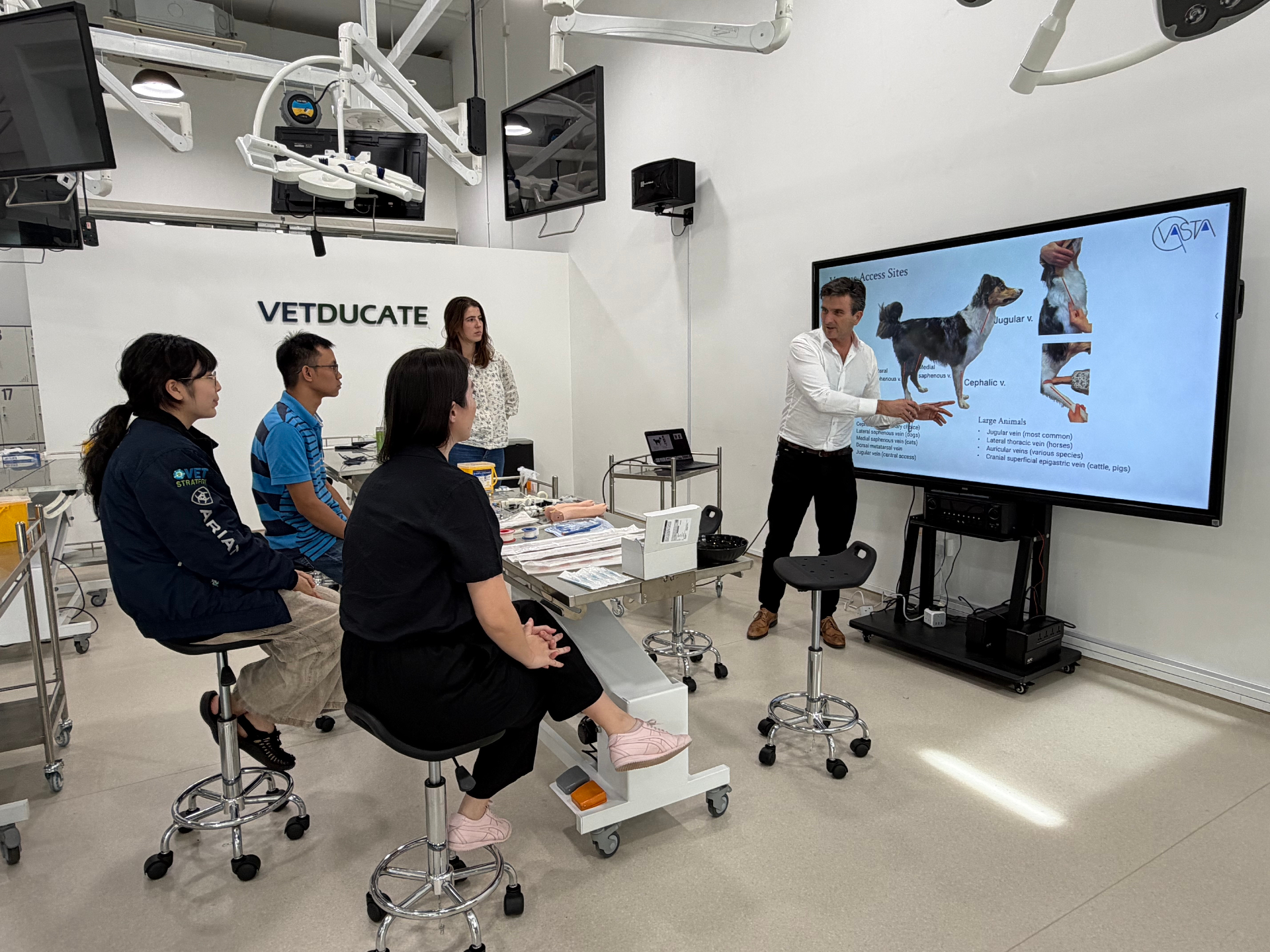
Six modular sessions across one year — each 2.5 days long or 5-day sessions consisting of 2 modules (country dependent) — led by internationally respected specialists, the course blends theoretical foundations with hands-on practice.
Each module is tailored to real-world clinical challenges faced by veterinarians, technicians, and veterinary nurses — supporting your growth in anaesthesia and pain management.
See modules below ↓Who this course is for
Veterinarians
Deepen your anaesthesia expertise and bring evidence-based protocols into daily clinical practice.
Veterinary Technicians
Build structured, internationally recognised skills in anaesthesia monitoring and pain management.
Veterinary Nurses
Grow your clinical confidence with hands-on training tailored to your role in the anaesthesia team.
What you'll master
- Anaesthesia protocols for everyday patients and understanding the principles of high-risk patient protocol build-ups
- Multimodal pain management
- Monitoring techniques and equipment working principles
- Emergency and complication management
- Disease-specific and species-specific considerations
- Evidence-based clinical decision making
A Title Recognized Worldwide
After completing all six modules and assigned coursework, participants are eligible to sit the final exam, held annually. Successful candidates earn one of the following titles.
Purpose
A specialist-led, practical training pathway designed to strengthen anaesthesia safety, clinical decision-making, monitoring, recovery management, and team leadership — for veterinarians working in real clinical workflows.
Who it's for
Veterinarians involved in sedation/GA, peri-anaesthetic planning, monitoring, recovery, analgesia, and higher-risk case management in general practice, referral, surgery, dentistry, imaging, emergency, or mixed caseloads.
The programme is designed for clinicians who want to build deeper confidence in anaesthesia, improve day-to-day patient safety, lead anaesthesia more effectively within the clinic, and better support, train, and manage their nursing team.
What you learn (high-level)
- ✓Pre-anaesthetic evaluation, risk stratification, induction planning, and safer airway management
- ✓Inhalant anaesthesia, machine handling, breathing systems, and monitoring interpretation
- ✓Cardio-respiratory physiology, ventilation, and fluid decision-making
- ✓Anaesthetic management of compromised / higher-risk patients
- ✓Locoregional anaesthesia, emergencies, and crisis response
- ✓Pain physiology, multimodal analgesia, and recovery planning
- ✓Implementation tools: checklists/SOPs and "team triggers" that improve consistency
- ✓Team communication and anaesthesia leadership in daily practice
Expected outcomes for the clinic
- ✓More confident anaesthesia planning and safer case management
- ✓Earlier recognition of problems and more structured responses to complications
- ✓Smoother recoveries and improved workflow across surgery, imaging, and medicine
- ✓Stronger collaboration between vets and nurses/technicians
- ✓Better team consistency through practical tools that can be implemented immediately
- ✓Clearer client communication around anaesthetic risk mitigation and patient safety, helping strengthen trust and treatment acceptance
- ✓Fewer complications, smoother workflows, and better team retention, contributing to stronger clinic performance and financial return
- ✓CVAP certification pathway (optional final exam)
Purpose
A specialist-led, practical training pathway to strengthen anaesthesia safety, monitoring decision-making, recovery routines, and team consistency — designed for veterinary nurses/technicians working in real clinical workflows.
Who it's for
Nurses/techs involved in sedation/GA, monitoring, recovery, analgesia routines, and patient safety processes (general practice, referral, or mixed caseloads). The principles apply across species; the focus is structured decision-making and safer routines.
What you learn (high-level)
- ✓Monitoring that changes outcomes: trends, thresholds, and structured responses
- ✓Recovery & post-op care: routines, pain recognition, escalation triggers
- ✓Safer inhalant practice: low-flow habits, scavenging awareness, workflow improvements
- ✓Risk checks for compromised patients: preparation, communication, handovers
- ✓Locoregional techniques (nurse-relevant aspects), CPR & emergencies
- ✓Implementation tools: checklists/SOPs and "team triggers" that improve consistency
Expected outcomes for the clinic
- ✓More confident monitoring & recovery management
- ✓Reduced stress during procedures via clearer roles + consistent routines
- ✓Practical tools that can be implemented immediately (checklists, triggers, recovery criteria)
- ✓VAT certification pathway (optional final exam)
Seven countries. One curriculum.
Our 7 course locations worldwide — and many more to come soon.
A network of international experts

Isabelle Iff has been a Diplomate of the European College of Veterinary Anaesthesia and Analgesia since 2006 and is a recognized European specialist. With additional training in animal acupuncture, Traditional Chinese Medicine, osteopathy, and Chinese herbal therapy, she combines conventional anaesthesia with complementary medicine. She works as a senior clinical anaesthetist at the Bern Veterinary Hospital and runs her own company.

Marta Kantyka is a Diplomate of the European College of Veterinary Anaesthesia and Analgesia. She graduated from Wroclaw University of Environmental and Life Sciences (Poland) in 2011, completed an anaesthesia internship at the University of Pennsylvania, and a residency at the University of Zurich. Her primary interests are intensive care and critical care anaesthesia.

Moriz Endres is a board-certified veterinary anaesthetist who completed his residency at the University of Veterinary Medicine Vienna. He has worked in both university settings and large referral clinics, gaining extensive clinical and academic experience. His main research interests are endotracheal intubation and loco-regional anaesthesia, with several publications in peer-reviewed journals. He is passionate about education and lectures nationally and internationally.
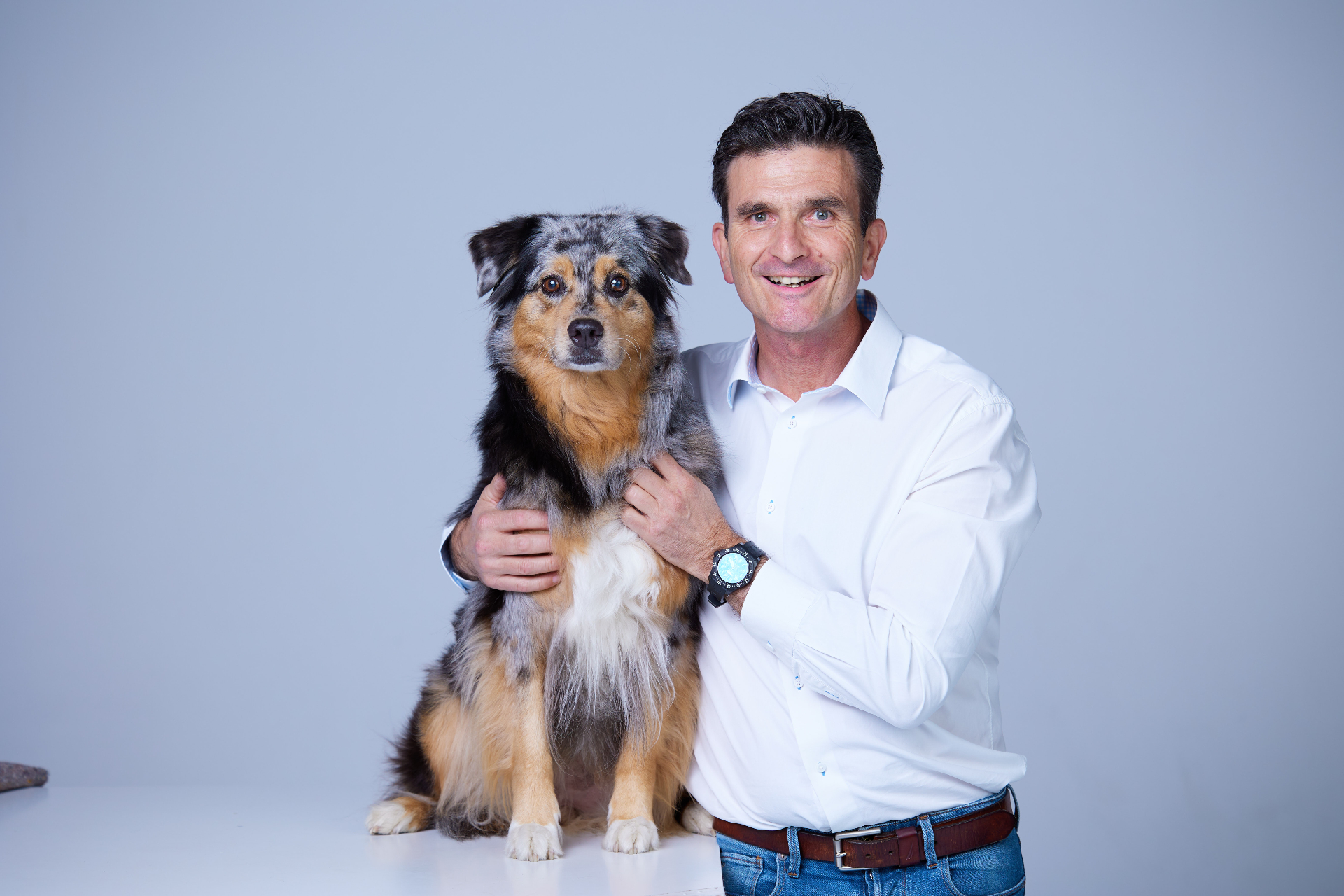
Peter Kronen is the founder of VAS-International and founder and director of VASTA, the only internationally operating executive school for veterinarians and nurses in veterinary anaesthesia and analgesia. Trained at the Universities of Pisa, Munich, Harvard, Cornell, and UC Davis, he served as head of service at the University of Berne before founding VAS-International. In 2023, he was rated 3rd in Entrepreneur Mirror's global innovative entrepreneurial rating.
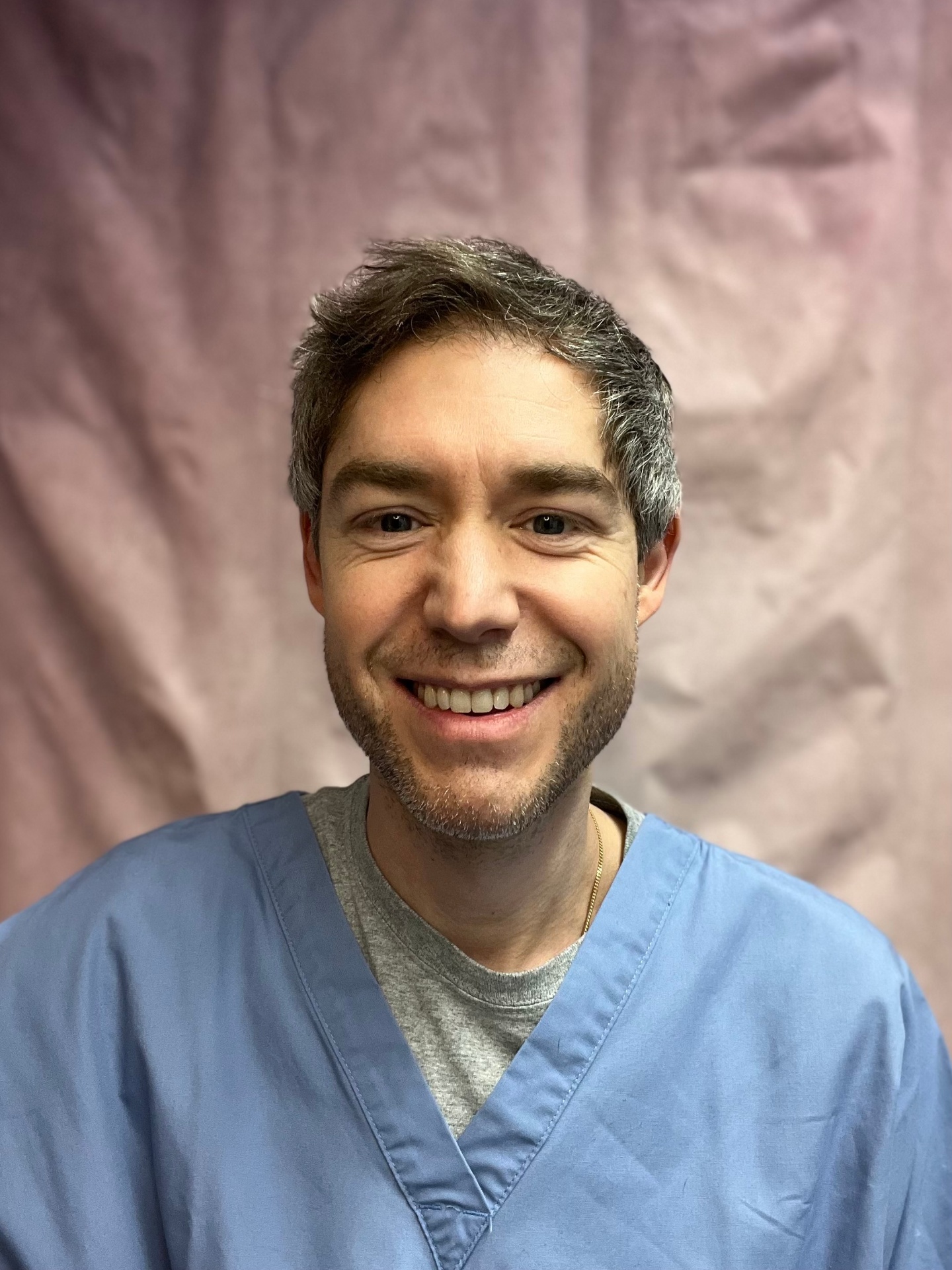
Vincent Marolf has been a Diplomate of the European College of Veterinary Anaesthesia and Analgesia since 2015. He trained at the Universities of Bern and Liège, where he completed a PhD on dexmedetomidine in canine ultrasound-guided locoregional anaesthesia. Since 2017 he has been at Medi-Vet SA in Lausanne, leading anaesthesia services and the French-speaking VASTA school, and recently founded the Medi-Vet SA Research Institute.

Dr. Kyriaki Pavlidou (Kelly) is a veterinary anaesthesiologist and intensive care specialist based in Thessaloniki, Greece, with over 15 years of clinical, academic, and research experience in small animal anaesthesia, analgesia, and intensive care. She holds a PhD from the Aristotle University of Thessaloniki and an MSc in Medical Research Methodology. She heads the Anaesthesia & ICU at Plakentia Veterinary Clinic and has taught in VASTA courses since 2023.
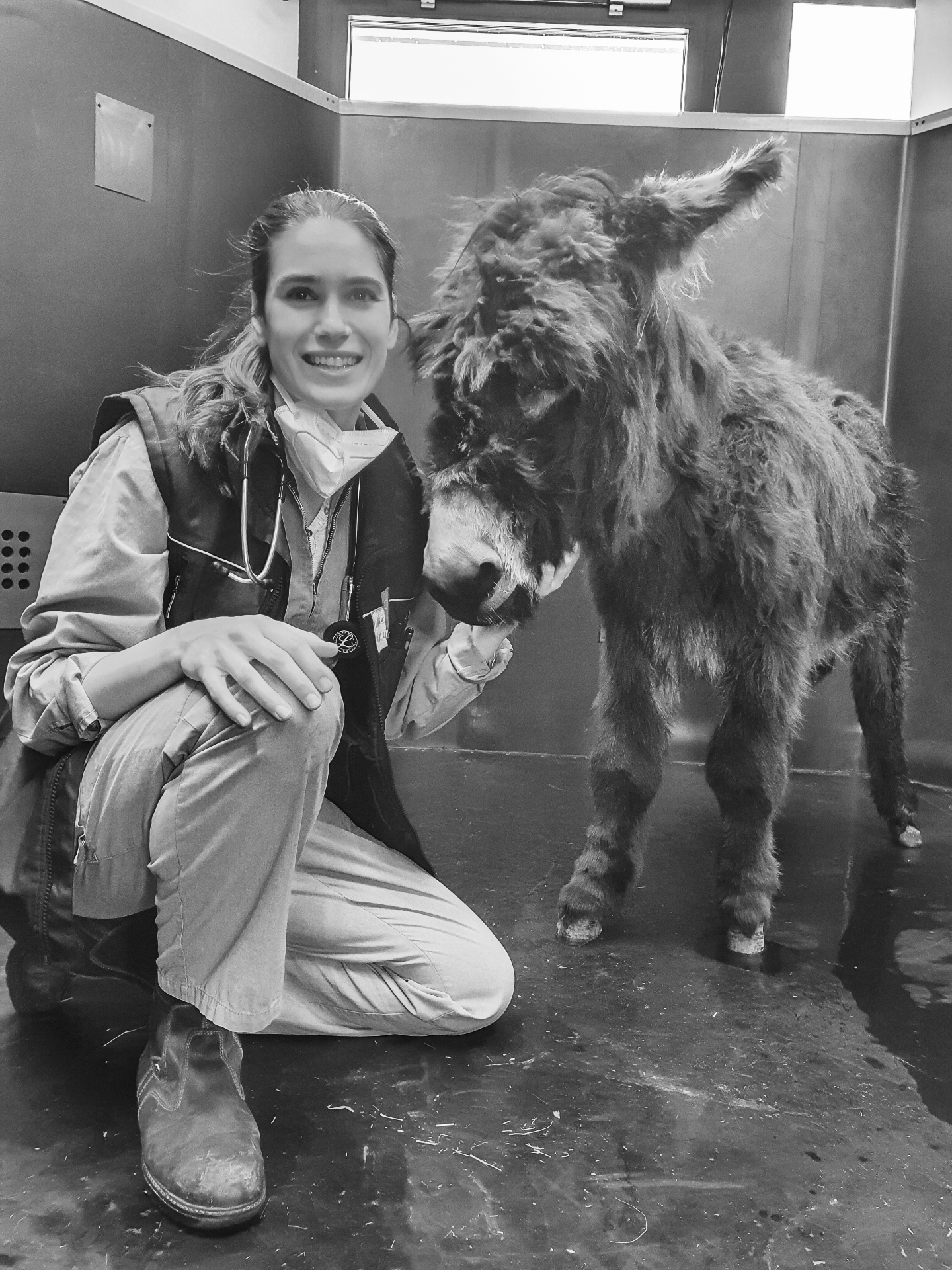
Elisabeth Ranninger is a board-certified veterinary anaesthetist and Senior Clinician in Anesthesiology at the University of Zurich. She graduated from Universidad Alfonso X El Sabio in Madrid and completed an anaesthesia internship at the University of Pennsylvania, followed by an ECVAA residency at the Vetsuisse Faculty, University of Zurich. Her clinical and research interests include locoregional anaesthesia in small animals, perioperative pain management, and refinement of anaesthetic techniques.
Prof. Ioannis Savvas is Professor of Veterinary Anaesthesia at the Aristotle University of Thessaloniki, Greece, where he earned his DVM and Doctoral Diploma in Veterinary Anaesthesia. He has trained at Cornell University, the Veterinärmedizinische Universität Wien, and Ghent University. His research focuses on gastro-oesophageal reflux during anaesthesia, perioperative analgesia, shock, and pulmonary atelectasis. He also runs the Pain Service at the school's Companion Animal Clinic.

Barbara Steblaj is a board-certified veterinary anaesthetist with extensive international experience across Europe, the United States, and the Caribbean. Her clinical expertise centres on the perioperative management of high-risk patients, and her research focuses on the role of microcirculation in anaesthesia and disease. She holds the Harvard BOK Higher Education Teaching Certificate and is deeply engaged in teaching veterinary students and technicians.
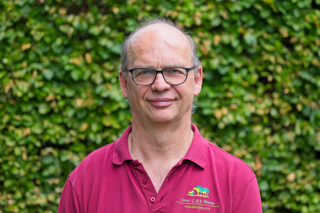
Gunter Wiese is an experienced veterinarian with more than 30 years of expertise in large animal, equine, and companion animal practice. Certified in Veterinary Chiropractic (IVCA), he combines clinical practice, practice ownership, and vocational education with a strong commitment to evidence-based patient care and mentoring future veterinary professionals.
Six modules across the year
This is where your journey begins. In this module, you will learn to perform risk assessments, conduct thorough pre-anaesthetic evaluations, and select appropriate premedications, induction agents, and maintenance techniques.
These skills are complemented by essential airway safety and intubation techniques — foundational competencies for any veterinary anaesthesia professional.
All of this is supplemented by group work and hands-on equipment demonstrations to reinforce your learning through practical application.
Your second big step into the world of veterinary anaesthesia. This module focuses on mastering inhalational techniques, understanding anaesthetic gases, and learning the fundamentals of the anaesthesia machine and breathing systems.
You will also gain essential skills in monitoring techniques, including the principles of operation and practical use of devices such as:
- ECG
- Pulse oximetry (SpO₂)
- Capnography (CO₂ monitoring)
- Non-invasive and invasive blood pressure monitoring
- Temperature monitoring
- …and more
While this module may feel like a playground for technically inclined participants, even those without a technical background will find themselves drawn in — we make the machines and monitors both accessible and fascinating.
All of this is, of course, supplemented with heavy-duty hands-on sessions using anaesthesia machines, vaporizers, and a full range of monitoring equipment, ensuring a confident transition from theory to clinical application.
You're now truly on the path to becoming an Anaesthesia-Jedi — time to experience the Force. ✨ This module is dedicated to the queen of them all: anaesthesia-relevant physiology.
No anaesthetist can truly excel without a solid understanding of:
- Cardiovascular physiology
- Respiratory physiology, including ventilation principles and the use of ventilators
- Fluid therapy and its clinical application
Some participants find physiology intuitive, others find it more challenging — but regardless of your background, we meet you where you are and guide you through it. Our goal is to make complex concepts clear, practical, and directly applicable in the clinical setting.
Now that you've become a Jedi, it's time to take on the real-world challenges — specific patient populations. This module equips you with the tools and confidence to safely approach and manage high-risk and complex cases.
We cover anaesthetic considerations for patients with:
- Hepatic disease
- Renal dysfunction
- Endocrine disorders — including diabetes mellitus, Cushing's disease, Addison's disease, insulinoma, and thyroid imbalances
- Neurological conditions, with a focus on intracranial pressure management and epilepsy
- And the cherry on top: cardiac patients, including common heart diseases relevant to anaesthesia
Each topic is supported by a mini online pre-learning series, including reviews of relevant physiology and anatomy, ensuring you arrive well-prepared and can make the most of the in-person sessions.
The module is highly interactive, with extensive group work and case-based discussions to help you apply what you've learned in realistic clinical scenarios.
Your black belt is almost within reach — but a few more key patients and skills demand your attention before Module 6.
In this module, we expand your anaesthetic competence across a broader spectrum of species and special situations. While VASTA focuses primarily on small animals, becoming a well-rounded anaesthetist means having a solid grasp of other patient types too.
We cover the essentials of anaesthesia for:
- Geriatric and paediatric patients
- Small mammals
- Reptiles, birds and fish
- Ruminants
- Equine patients
In addition, we introduce a critical skill for any anaesthetist: CPR. You'll learn updated CPR protocols and emergency response techniques — because every black belt knows how to handle a crisis.
To further enhance your clinical toolbox, the module includes:
- Local anaesthetic pharmacology
- Basic local and regional anaesthesia techniques
The one to rule them all. You've become a skilled anaesthetist — but to truly elevate your clinical impact, you must master pain management. This final module is fully dedicated to pain and analgesia, empowering you to not only provide safe anaesthesia but also to ensure your patients wake up in comfort.
In this module, you will learn to:
- Understand the physiology of pain — nociception, sensitisation, and pain pathways
- Differentiate and address acute vs. chronic pain in veterinary patients
- Apply validated pain scoring systems, including the Glasgow Composite Pain Scale, CMPS-Feline, and species-specific pain scales
- Build multimodal analgesic protocols, based on current recommendations from IVAPM and the WSAVA Global Pain Council
- Make evidence-based choices in analgesic pharmacology, including opioids, NSAIDs, alpha-2 agonists, local anaesthetics, and adjuncts (e.g. ketamine, gabapentin, lidocaine CRIs)
- Incorporate non-pharmacological interventions
Student Stories
Hear from veterinary technicians and nurses who completed VASTA across our 7 locations. Real stories from real graduates.
Emy Totta
“VASTA made me a better trainer. My Loco-regional Anaesthesia skills are on another level.”
Stelios Mantzios
“What made the biggest difference for me was that all the instructors were experienced Anaesthesiologists.”
Frequently Asked Questions
Browse answers to the most common questions about VASTA School. Need more help? Reach out to us at info.vasta@vas-int.com.
VASTA training is internationally recognized as a hallmark of quality and excellence in veterinary anaesthesia education. With over 19 years of course development, VASTA has become a trusted brand known for delivering high-quality, structured, and hands-on teaching. It is one of the few programs in Europe offering a truly well-rounded approach that blends clinical theory with extensive practical application. Courses are taught by internationally renowned experts in small class settings, ensuring personalized support. Designed as a part-time program, VASTA allows busy professionals to advance their skills without compromising their work-life balance, making it a top choice for those committed to excellence in veterinary anaesthesia.
With all this new knowledge and increased safety in your everyday anaesthesia application, VASTA certification opens a completely new career path — and for many people over the past 19 years has already led to higher income, personally and for the practice. Anaesthesia sells!
The VASTA course is structured into six modules, combining in-depth theoretical learning with practical training delivered in focused thematic blocks. While the core content and one-year duration remain consistent across all locations, the course format is adapted to suit regional needs:
- In Switzerland and Greece, modules run from Friday afternoon to Sunday evening, allowing participants to balance clinical duties with study.
- In Singapore, the course also follows a 2.5-day format, with different weekday allocations depending on local scheduling.
- In Poland and Romania, two modules are delivered together in a week-long intensive (Monday to Friday), with longer breaks in between to allow for integration and review.
Participants have up to three years to complete all six modules, providing flexibility without compromising depth or structure.
For detailed information on schedules, locations, and logistics, please refer to the country-specific pages via the interactive map.
VASTA training is internationally recognized as a mark of quality and excellence in veterinary anaesthesia education. After completing all six modules and assigned coursework, participants are eligible to sit the final exam, held annually. Successful candidates earn the title of:
- Certified Veterinary Anaesthesia Practitioner (CVAP) — for veterinarians
- Veterinary Anaesthesia Technician (VAT) — for veterinary nurses and technicians
These certifications are recognized by AVA, IVAPM, AVTA, GST/SVK, VSTPA, and VÖK. In Germany, formal recognition can be applied for individually — details are available in the German-language section. BVNA accreditation is currently pending.
In addition to certification, participants receive Continuing Professional Development (CPD) credits, also adapted to the course location and the regional structure of CPD-credit approval. For example, in Switzerland:
- 6 points per module
- 36.5 points for completing all six modules
To maintain the CVAP or VAT title, graduates must complete four days of continuing education in anaesthesia, analgesia, and intensive care every four years.
Please refer to the respective country page for upcoming course dates in your country.
Explore the locations →The VASTA course runs annually at our established locations. However, to ensure the highest quality of training, we limit the number of participant spots. To secure your place, please fill out the registration form below, and we will contact you shortly with availability details.
Go to the registration form →The VAT title is re-assessed every 4 years. Continuing education starts after your successful VASTA training and examination and continues for the entire duration of your work as a veterinary anaesthesia technician. Training must be related to anaesthesia — methods and procedures, intensive care, analgesia, fluid therapy, and similar topics.
At least 4 days of further training within 4 years are required — in principle 1 day per year, though days can be counted consecutively (e.g. multi-day congresses such as AVA). VASTA's annual VAT refresher courses provide one way to reach the required number of days. Other relevant courses can also be credited after formal approval — send us your training certificate and await email confirmation.
In case of illness, accident, or maternity leave, the required number of days can be reduced on written request; the information is treated confidentially. VASTA reserves the right to adapt the continuing education regulations in order to comply with national or international standards.