
VASTA SCHOOL — Romania & Bulgaria
Advance Your Anaesthesia Skills. Gain Recognition. Grow with VASTA.
VASTA Romania & Bulgaria – Focused Veterinary Anaesthesia Training
VASTA Romania has been running since 2018, providing structured, high-quality education in veterinary anaesthesia. With a growing community of over 40 graduates, the program supports Romanian and Bulgarian veterinary professionals in developing the skills and confidence needed to deliver safe, effective anaesthesia care.
Although based in Romania, this course is specifically designed for participants from both Romania and Bulgaria, and all sessions are conducted in English to ensure accessibility and inclusivity across the region.
Courses are held in Bucharest, Romania, with practical sessions conducted at Zet-Diagnostics Clinic (Str. Avrig, Nr. 8, Sector 2, Bucuresti) — one of the most well-equipped and technologically advanced facilities in Romania. Participants gain hands-on experience with professional equipment in real clinical conditions.

Dr Alina Nechifor
National representative, VASTA Romania & Bulgaria
“VASTA completely changed the way I think about and practice veterinary anaesthesia. I became a national representative because I genuinely believe every veterinarian deserves access to this kind of education, and I want others to experience the same transformation I did.”
The course is delivered across three week-long sessions, each comprising two modules, spaced approximately 3–4 months apart. Each session blends theoretical instruction with hands-on clinical skills. In Romania, the course is held every two years — the next edition is in 2027.
• Session 1: Module 1 & Module 2
• Session 2: Module 3 & Module 4
• Session 3: Module 5 & Module 6 See the upcoming course dates below.
The six modules, across three sessions
Each session covers two modules — open a session to see what's inside.
Qualifications: CVAP and VAT
All veterinarians, veterinary nurses and veterinary technicians attend the same VASTA course. The curriculum, teaching hours, practical training and depth of the educational content are the same for all participants.
The final examination is adapted to the participant's professional qualification. Veterinarians and veterinary nurses or technicians enter the course with different educational backgrounds, professional responsibilities and scopes of practice. The examinations therefore assess the same course content at a level appropriate to each professional group.
Participants who successfully complete the course and pass the relevant examination receive one of the following titles:
• CVAP – Certified Veterinary Anaesthesia Practitioner, awarded to veterinarians
• VAT – Veterinary Anaesthesia Technician, awarded to veterinary nurses and technicians
Previously, all successful participants in the VASTA course in Romania received the VAT title, regardless of their professional role. This meant that veterinarians were also certified as Veterinary Anaesthesia Technicians, which did not accurately reflect their veterinary qualification or professional responsibility.
The introduction of two titles allows us to recognise both professional groups appropriately. Veterinary nurses and technicians play an essential role in anaesthesia, but their education, permitted responsibilities and decision-making authority may differ from those of a veterinarian. The certification structure reflects these differences while maintaining the same standard and depth of course education.
The CVAP certification also acknowledges that veterinarians are expected to assume greater responsibility for clinical assessment, anaesthetic planning, medical decision-making and management of complications. VAT-certified nurses and technicians are trained to recognise risks, provide high-quality anaesthesia support and seek assistance or advice from an appropriately trained veterinarian when a decision falls outside their professional scope.
Veterinarians who completed the course in previous years and received the VAT title may choose to transition to the CVAP certification by sitting and passing an additional written examination. This option will be available during the scheduled examination sessions up to and including 2028.
Graduates of previous course editions who would like to update their title should contact the VASTA team by email.
Upcoming course dates
- Session 1 (Modules 1 + 2): 28 June – 2 July 2027
- Session 2 (Modules 3 + 4): 25 – 29 October 2027
- Session 3 (Modules 5 + 6): 7 – 11 February 2028
Registration is open for 2027 and typically closes two weeks before the starting date.
Faculty in Romania & Bulgaria
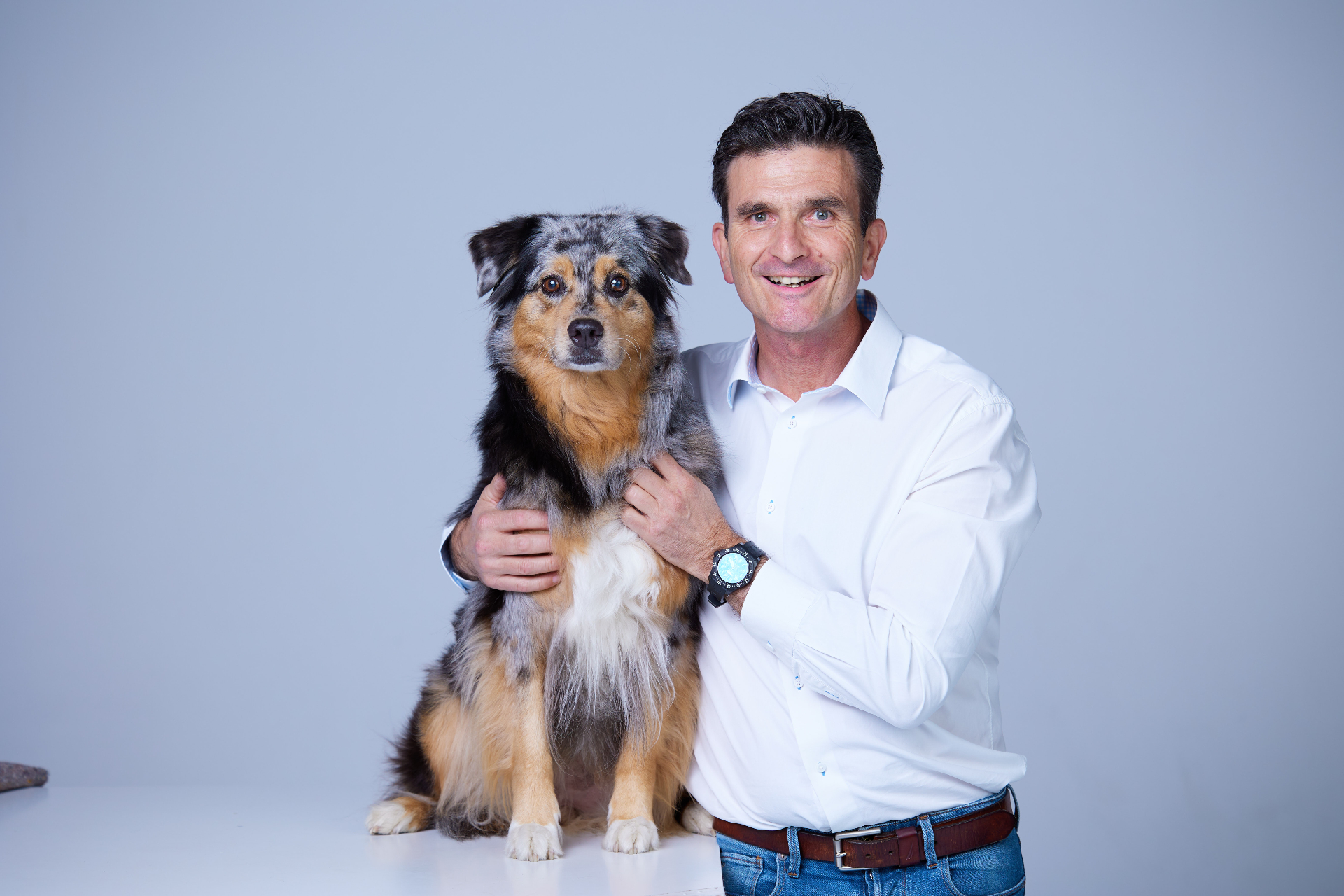
(More teachers to be confirmed)