
VASTA SCHOOL — Poland
Advance Your Anaesthesia Skills. Earn Certification. Rise with VASTA.
VASTA Poland – Proudly in Poland Since 2016
VASTA has been running continuously in Poland since 2016 and remains one of the most significant successes in the program's history. To date, over 250 graduates across the country represent and promote VASTA as a mark of excellence in anaesthesia education.
The theoretical part of the VASTA course takes place in Warsaw, at the O3 Hotel Airport, while the practical training is held at the state-of-the-art veterinary clinic COMFORT VET — one of the most well-equipped and technologically advanced facilities in Poland. There, participants gain hands-on experience with professional equipment in real clinical conditions.
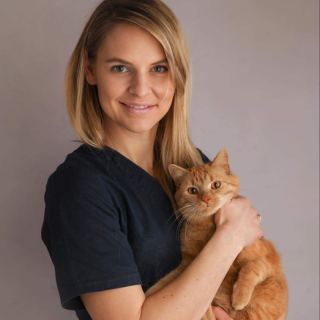
Katarzyna "Kasia" Koprowska-Pyzel
National representative, VASTA Poland — since 2016
“Over the years, I have seen VASTA Poland change so many people’s lives by advancing their careers, opening doors, and inspiring them to reach for more. I believe in this program because I have seen with my own eyes what it can do.”
The six VASTA Poland modules are delivered over three annual sessions, with two modules per session, spaced approximately every 3–4 months, blending theoretical instruction with hands-on clinical skills.
• Session 1: Module 1 & Module 2
• Session 2: Module 3 & Module 4
• Session 3: Module 5 & Module 6 See the upcoming course dates below.
The six modules, across three sessions
Each session covers two modules — open a session to see what's inside.
Qualifications: CVAP and VAT
All veterinarians, veterinary nurses and veterinary technicians attend the same VASTA course. The curriculum, teaching hours, practical training and depth of the educational content are the same for all participants.
The final examination is adapted to the participant's professional qualification. Veterinarians and veterinary nurses or technicians enter the course with different educational backgrounds, professional responsibilities and scopes of practice. The examinations therefore assess the same course content at a level appropriate to each professional group.
Participants who successfully complete the course and pass the relevant examination receive one of the following titles:
• CVAP – Certified Veterinary Anaesthesia Practitioner, awarded to veterinarians
• VAT – Veterinary Anaesthesia Technician, awarded to veterinary nurses and technicians
Previously, all successful participants in the VASTA course in Poland received the VAT title, regardless of their professional role. This meant that veterinarians were also certified as Veterinary Anaesthesia Technicians, which did not accurately reflect their veterinary qualification or professional responsibility.
The introduction of two titles allows us to recognise both professional groups appropriately. Veterinary nurses and technicians play an essential role in anaesthesia, but their education, permitted responsibilities and decision-making authority may differ from those of a veterinarian. The certification structure reflects these differences while maintaining the same standard and depth of course education.
The CVAP certification also acknowledges that veterinarians are expected to assume greater responsibility for clinical assessment, anaesthetic planning, medical decision-making and management of complications. VAT-certified nurses and technicians are trained to recognise risks, provide high-quality anaesthesia support and seek assistance or advice from an appropriately trained veterinarian when a decision falls outside their professional scope.
Veterinarians who completed the course in previous years and received the VAT title may choose to transition to the CVAP certification by sitting and passing an additional written examination. This option will be available during the scheduled examination sessions up to and including 2028.
Graduates of previous course editions who would like to update their title should contact the VASTA team by email.
Upcoming course dates
- Session I (Modules 1 + 2): 21–25 February 2027
- Session II (Modules 3 + 4): 29 May – 2 June 2027
- Session III (Modules 5 + 6): 16–20 October 2027
Faculty in Poland
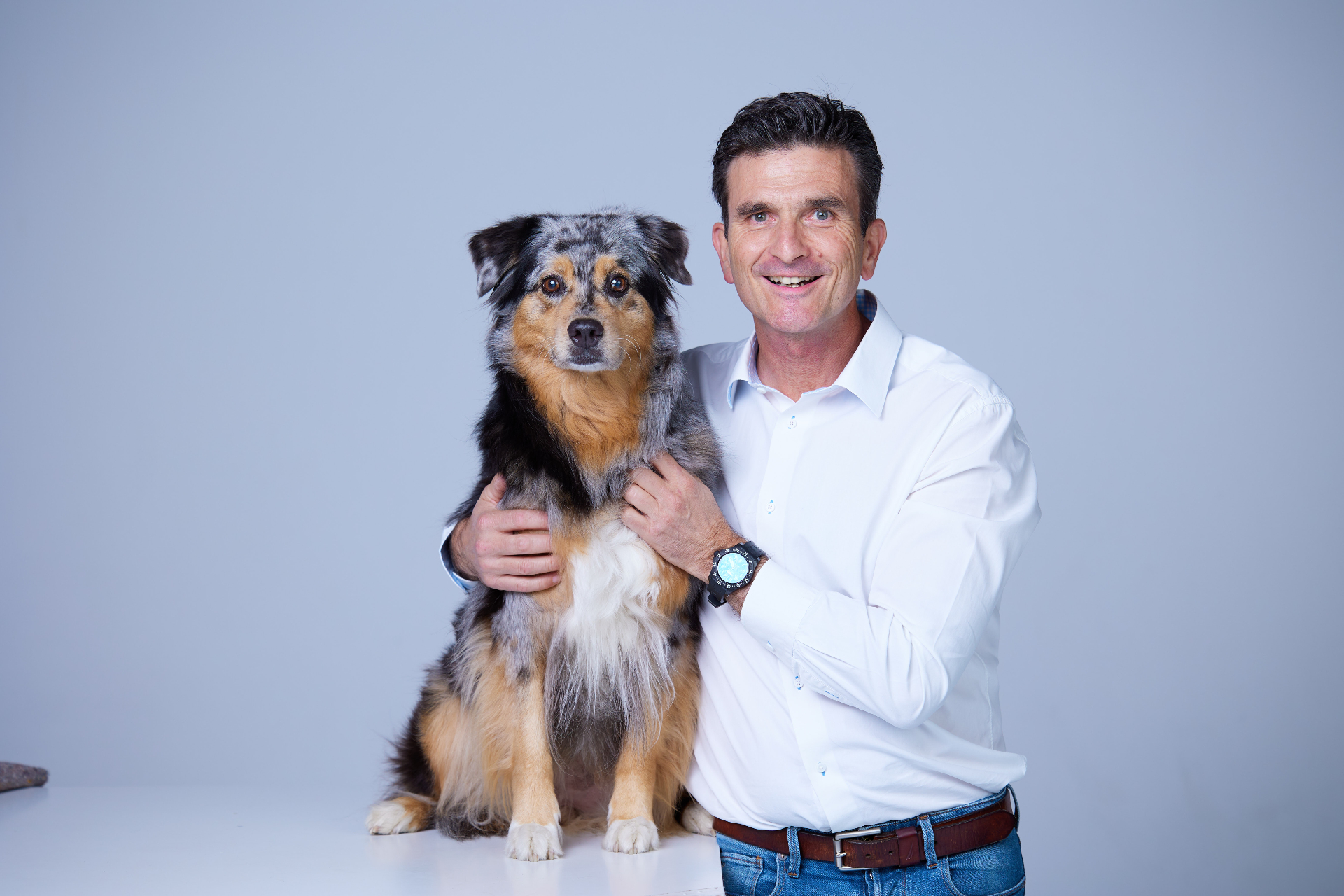
Peter Kronen is the founder of VAS-International and founder and director of VASTA, the only internationally operating executive school for veterinarians and nurses in veterinary anaesthesia and analgesia. Trained at the Universities of Pisa, Munich, Harvard, Cornell, and UC Davis, he served as head of service at the University of Berne before founding VAS-International. In 2023, he was rated 3rd in Entrepreneur Mirror's global innovative entrepreneurial rating.

Marta Kantyka is a Diplomate of the European College of Veterinary Anaesthesia and Analgesia. She graduated from Wroclaw University of Environmental and Life Sciences (Poland) in 2011, completed an anaesthesia internship at the University of Pennsylvania, and a residency at the University of Zurich. Her primary interests are intensive care and critical care anaesthesia.

Olivia d'Anselme is a Diplomate of the European College of Veterinary Anaesthesia and Analgesia (since 2024). She graduated from the École Nationale Vétérinaire d'Alfort (ENVA) in France and trained in Argentina, Singapore, England, and Switzerland, completing a residency at the Vetsuisse Faculty of the University of Zurich. Her clinical focus is large animal anaesthesia, particularly anaesthesia protocols and locoregional techniques in cattle. She is multilingual in Spanish, French, English, and German.
Course location
Our Sponsors